
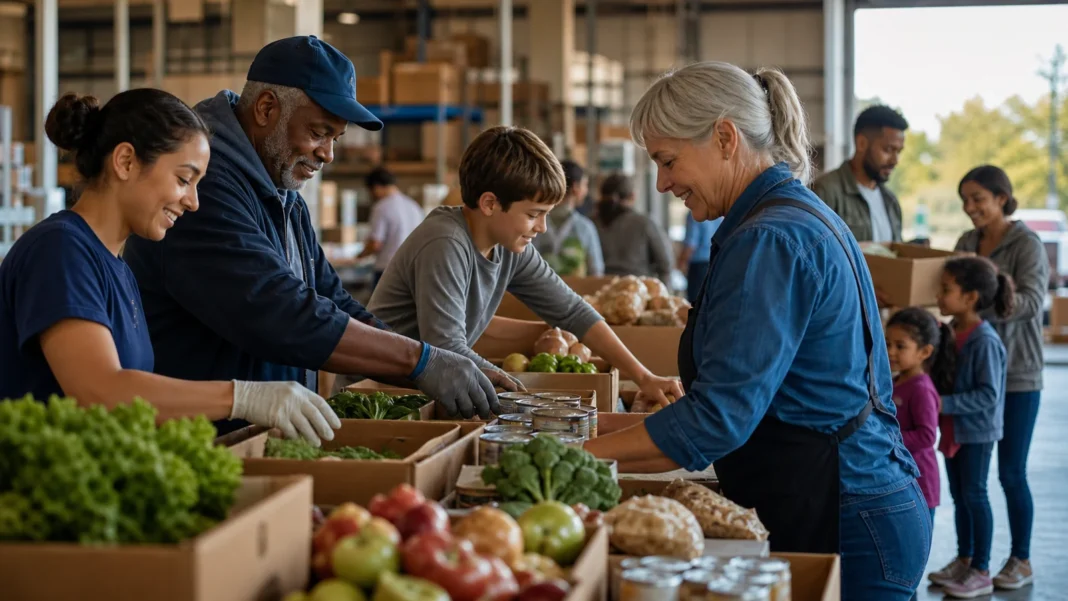

The quick answer: Food banks receive, purchase, store, and distribute food through networks of pantries, meal programs, shelters, and community partners. The modern U.S. food-bank model began in the late 1960s and grew into a nationwide logistics system.
The warehouse idea
The early model grew from a practical suggestion: store usable surplus so community organizations could draw from it rather than let food be discarded. A warehouse could connect farms, manufacturers, grocers, donors, and government commodities to many local programs more efficiently than each pantry working alone.
Logistics in service of dignity
Safe storage, refrigeration, inventory, transportation, nutrition standards, and rapid distribution are operational disciplines. The human side matters equally. Choice-based pantries, culturally familiar foods, convenient hours, and respectful service give neighbors more agency than a one-size-fits-all box.
Emergency help and root causes
Charitable food can stabilize a household during job loss, illness, disaster, or high costs. It cannot by itself replace adequate income, housing, healthcare, transportation, or public nutrition programs. Strong food banks therefore combine immediate distribution with listening, benefits navigation, research, and policy work.
A network worth strengthening
The visible donation drive is only the front door. Behind it are farmers, drivers, warehouse teams, dietitians, volunteers, data systems, community partners, and people with lived experience. At 250, the network demonstrates American generosity at scale—and challenges us to build conditions in which fewer families need emergency food.
Quick facts
- The U.S. food-bank model began in the late 1960s.
- Food banks typically distribute through local pantries and meal programs.
- Cold storage and transportation are essential for fresh and perishable food.
- Hunger relief includes both emergency food and work on underlying causes.
Questions readers ask
What is the difference between a food bank and a food pantry?
A food bank generally warehouses and distributes food to partner organizations; a pantry usually provides groceries directly to households.
What donations are most useful?
Needs vary. Money is often flexible and efficient, while local organizations can specify which unopened foods or supplies they can safely use.
Explore the sources
These primary and public-history resources are a good place to continue:
250 Pulse tells the American story with context, confidence, and room for every neighbor.